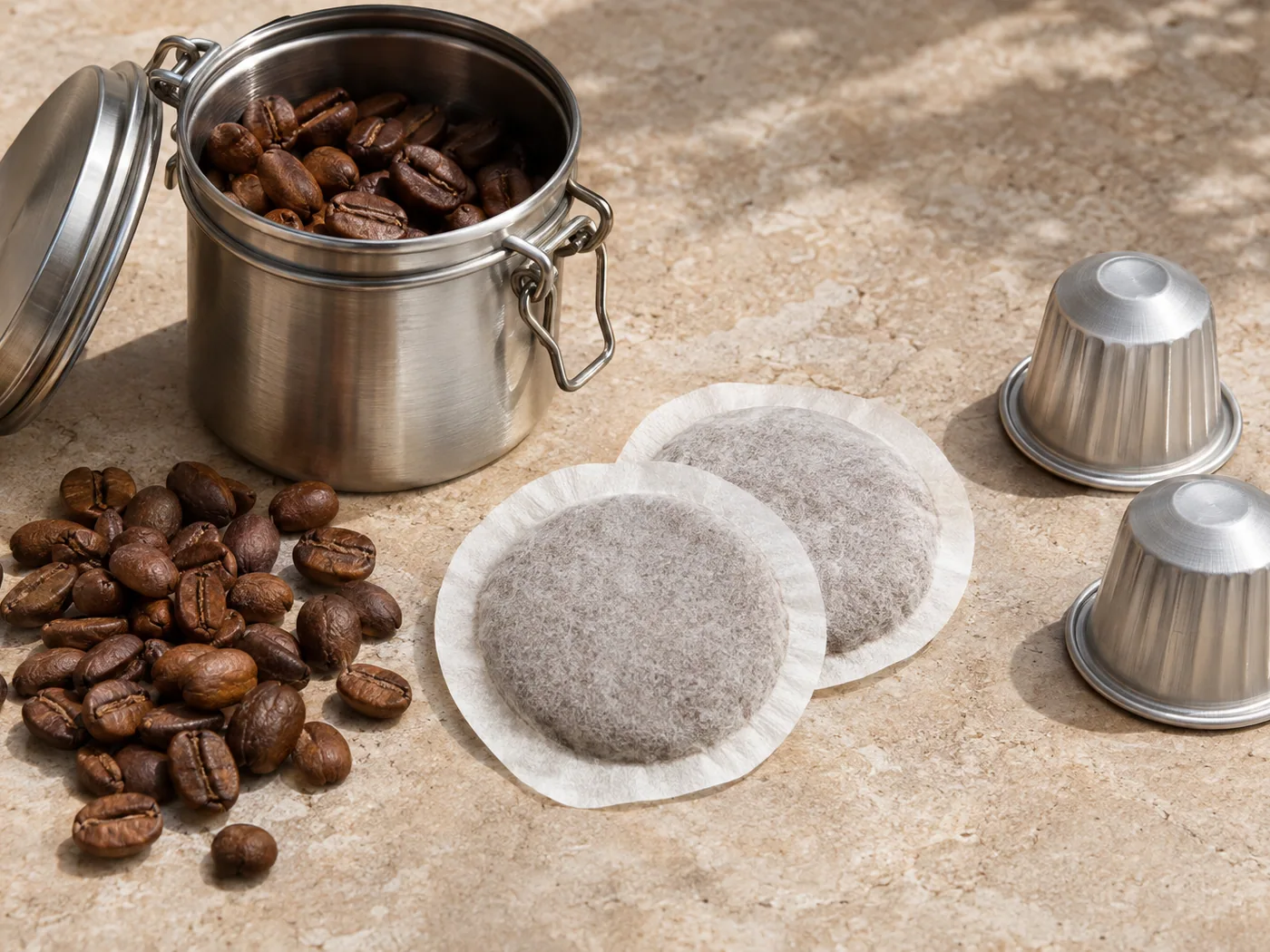
Buying coffee more sustainably: comparing pods, beans and capsules
Sustainability in coffee involves packaging, where the coffee comes from, its format, how much you use and what goes to waste.
Sustainability in coffee involves packaging, where the coffee comes from, its format, how much you use and what goes to waste.
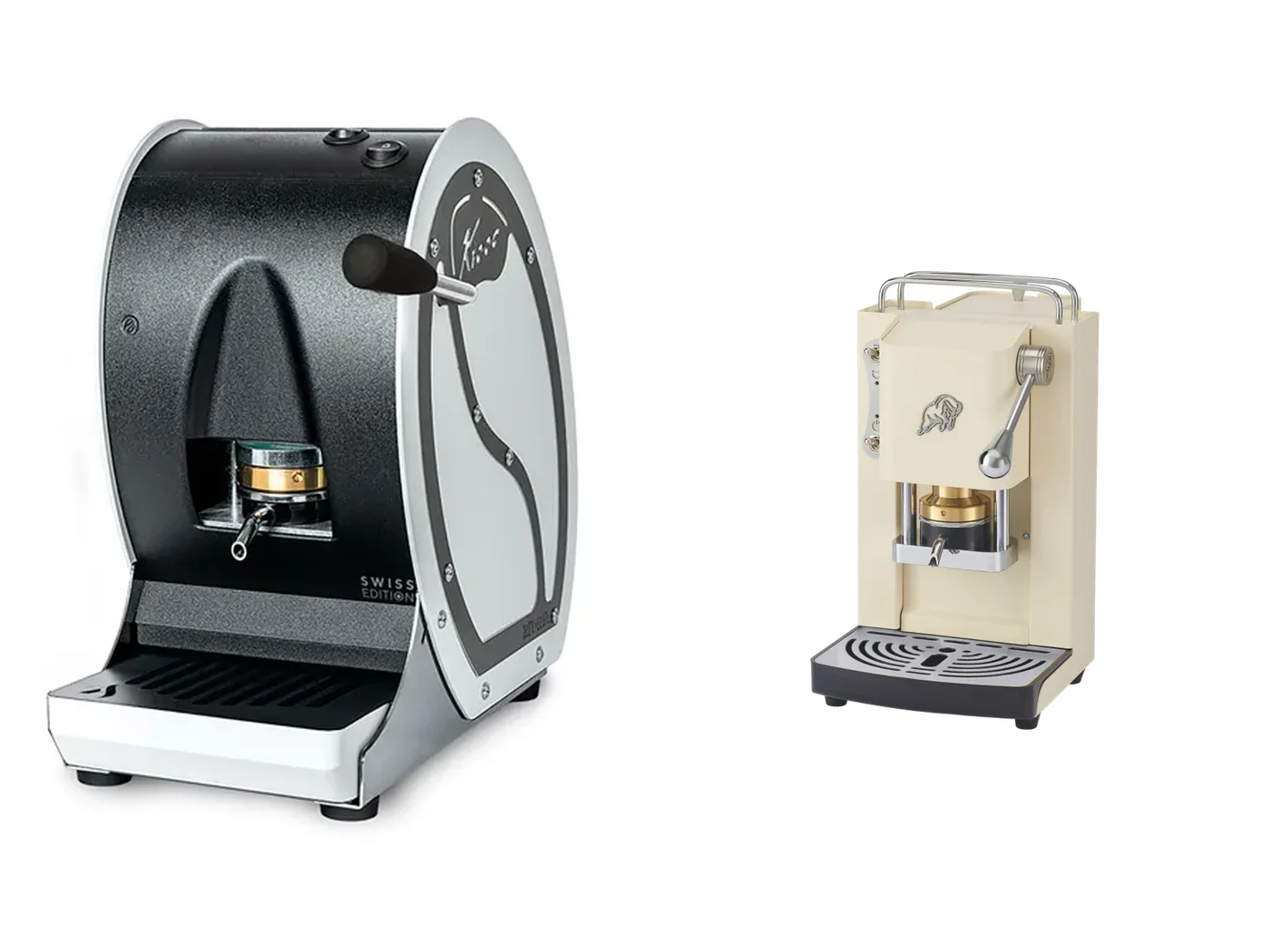
Aroma and Faber both make E.S.E. pod machines. Their designs and features suit different tastes and routines.
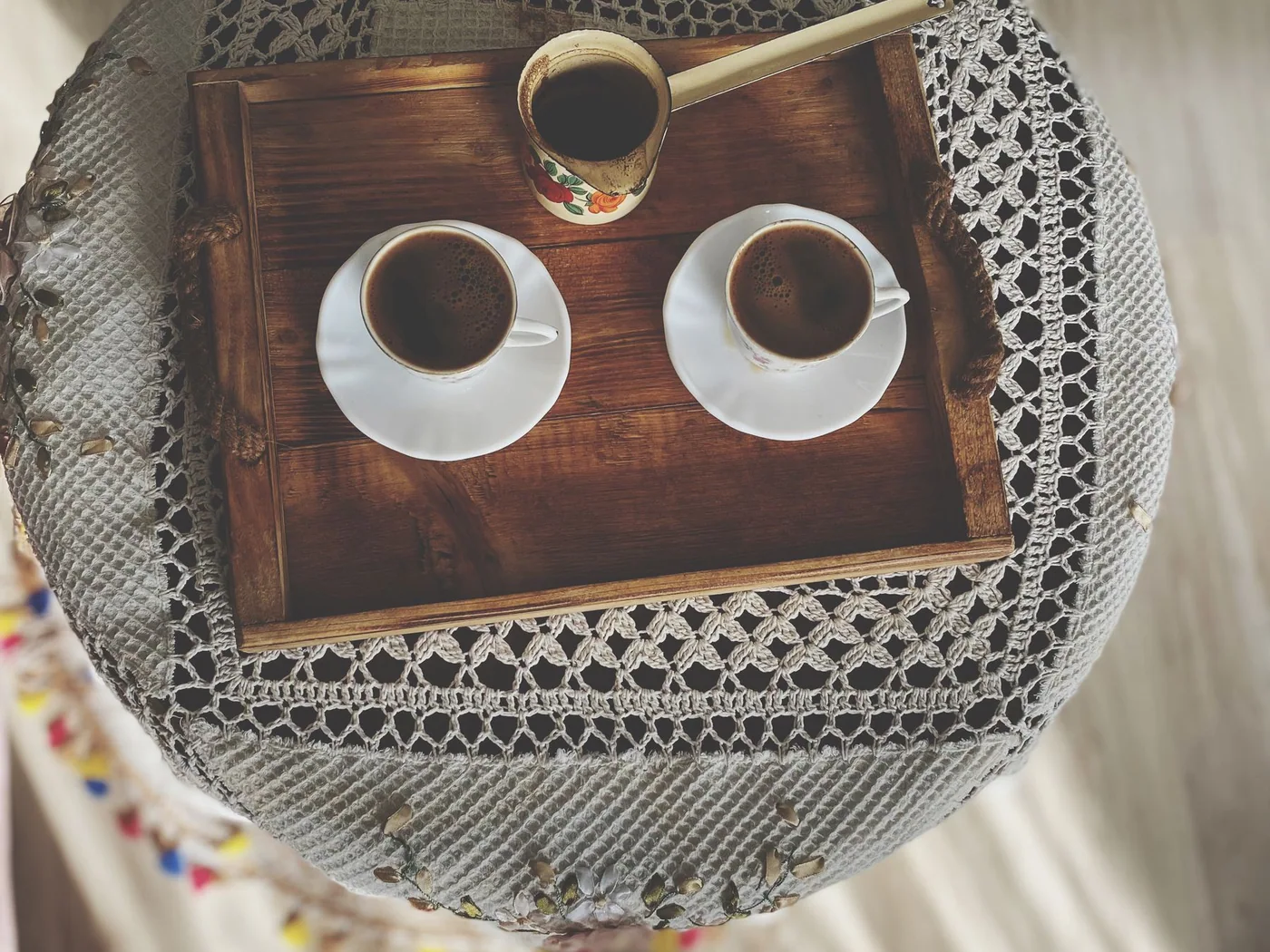
When guests come over, coffee should be easy to make. Single portions and a few clear choices help.
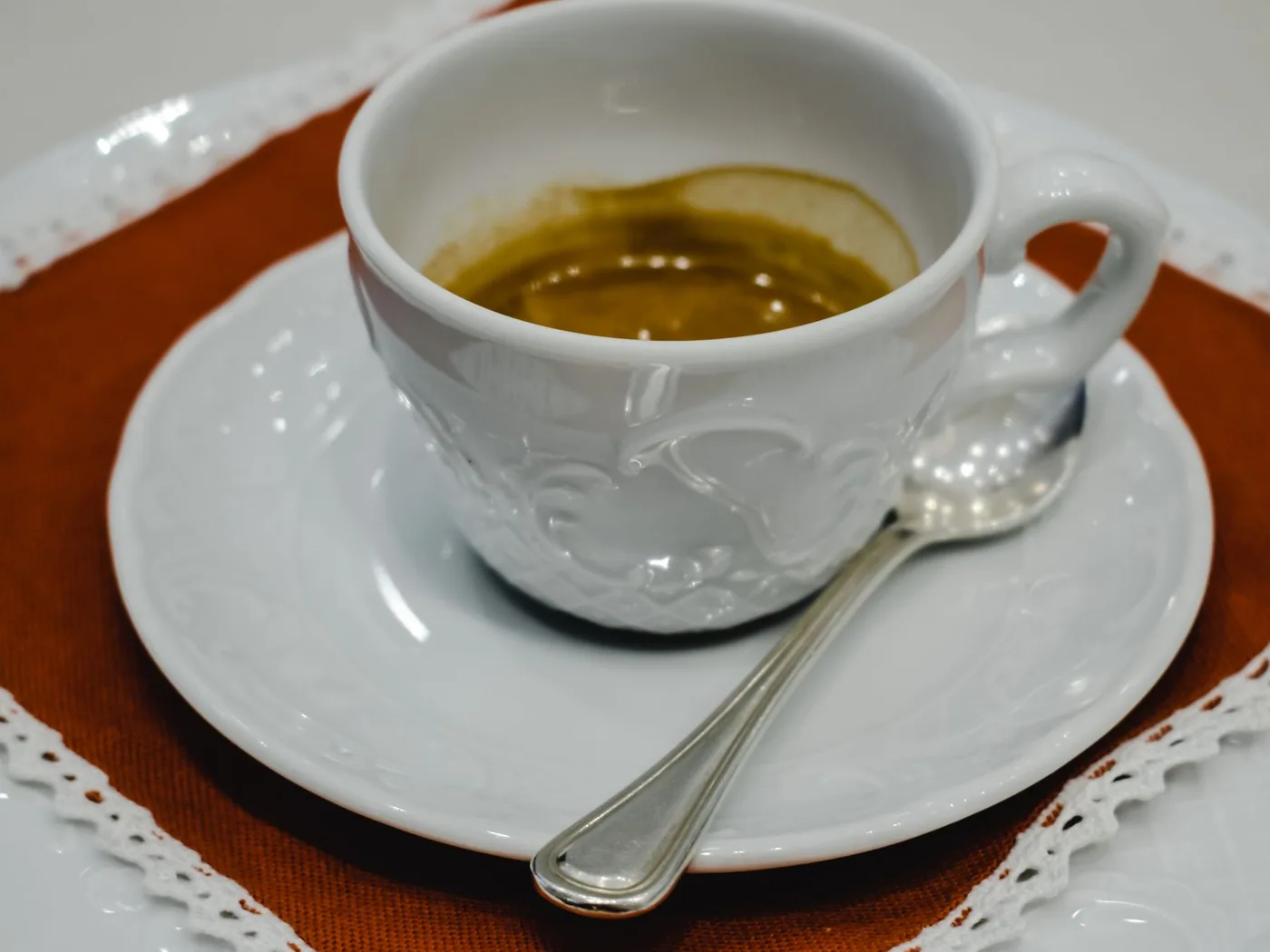
Espresso after a meal is a small ritual. A short, concentrated cup with a clean flavour suits the occasion.
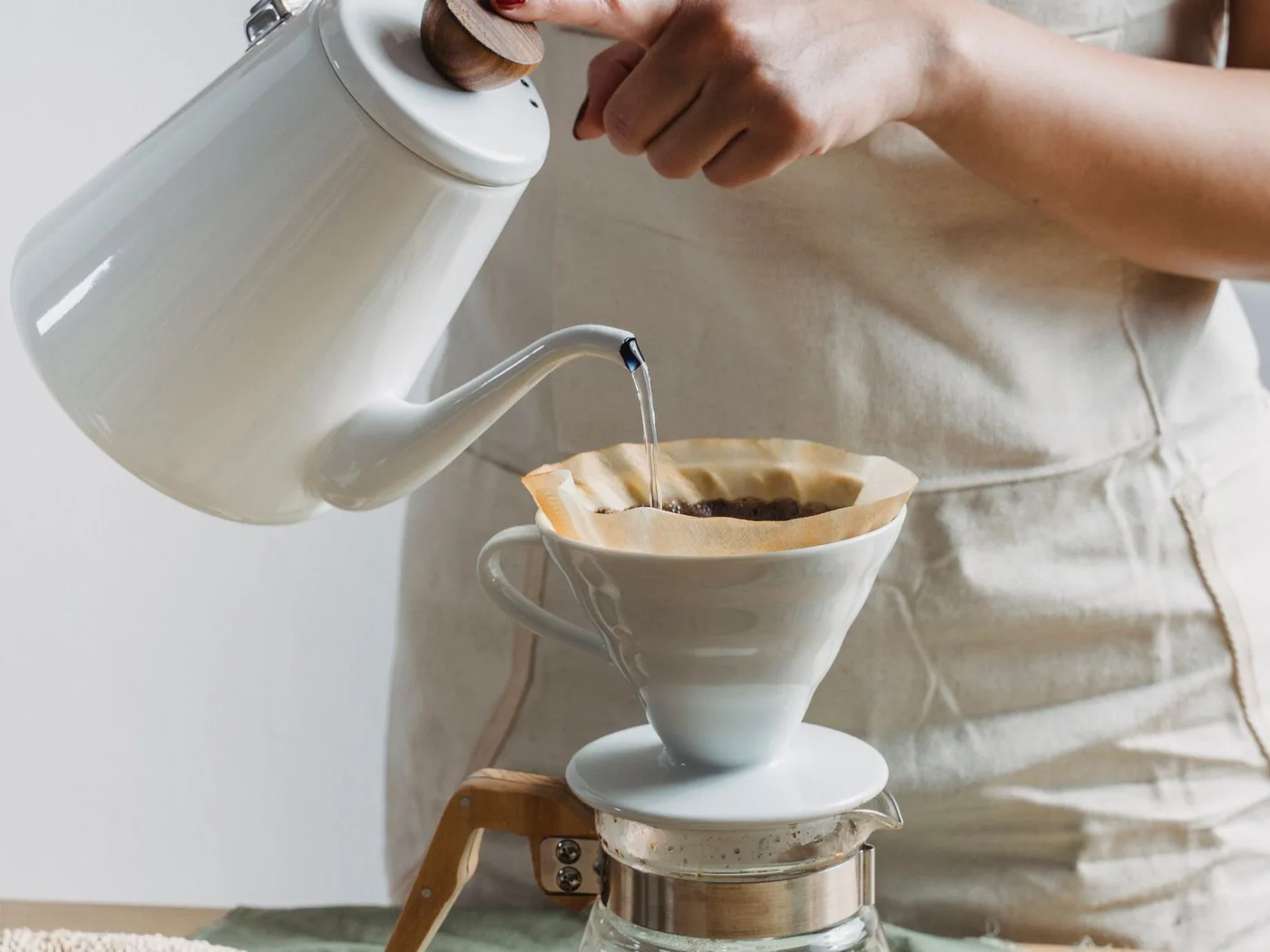
Water is the main ingredient in coffee. Water that is too hard or too soft can significantly change how espresso tastes.
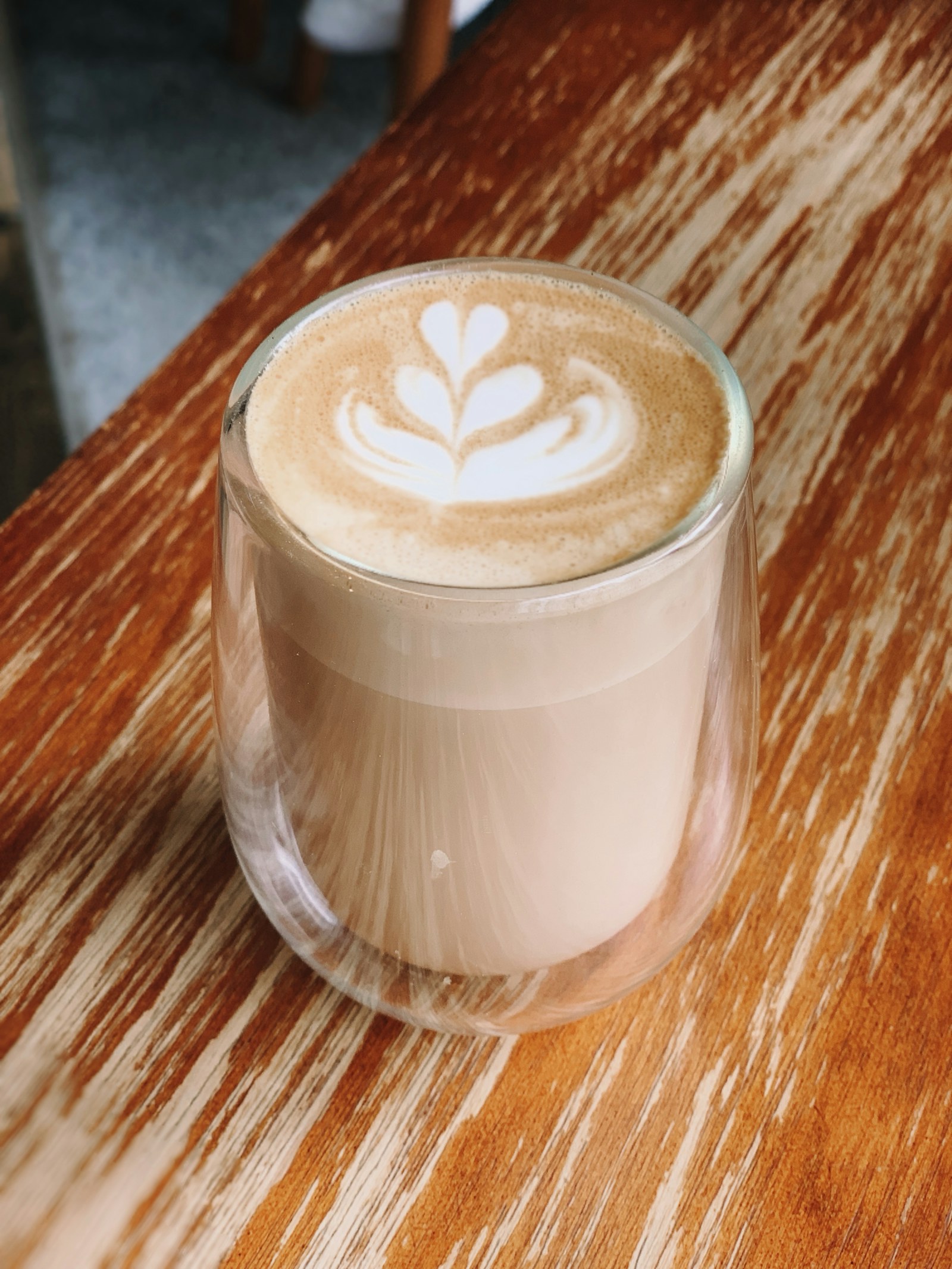
Milk changes how coffee tastes. Cappuccino, latte and flat white each work best with an espresso with a different level of body.
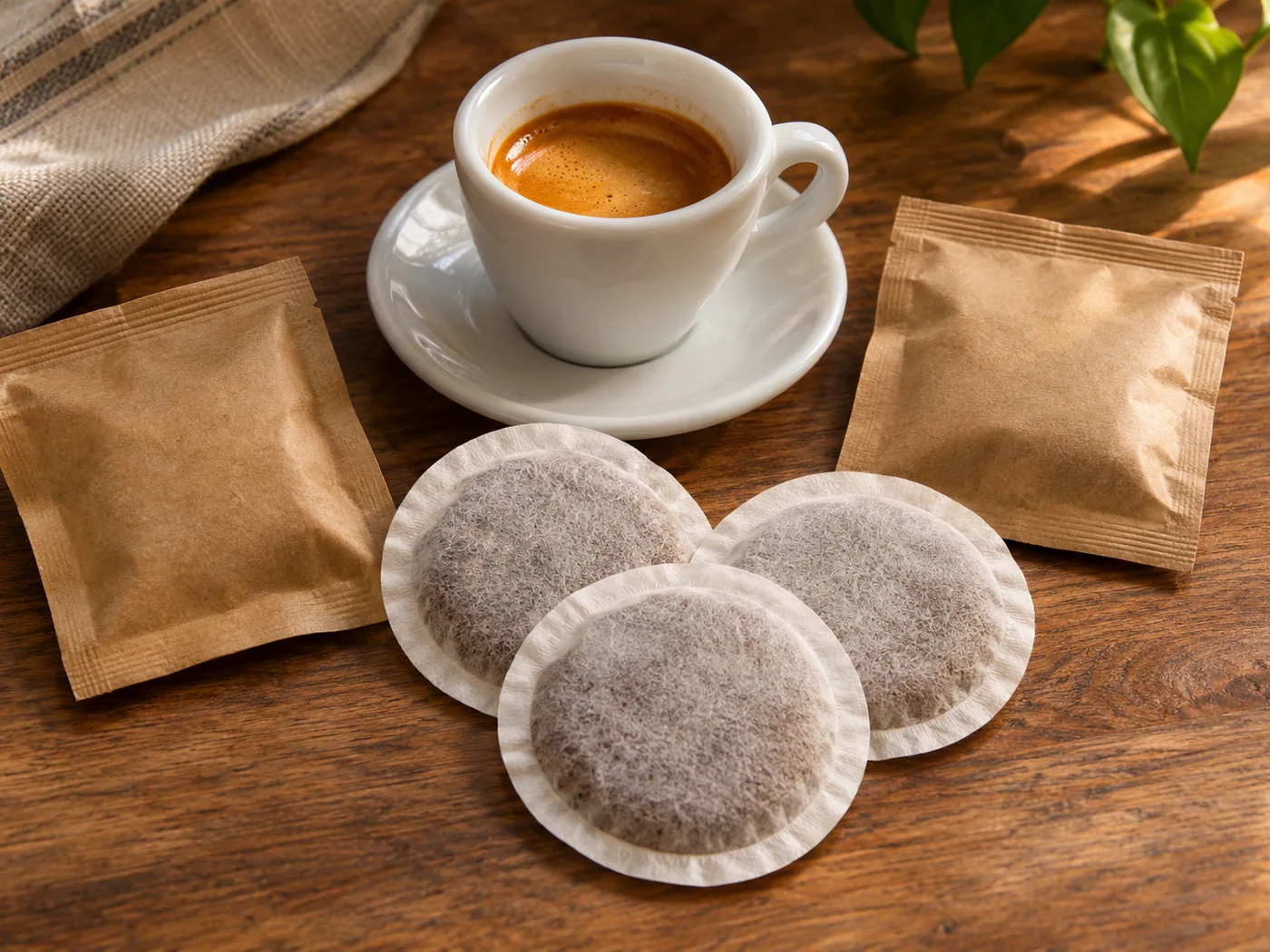
To try a blend, choose small packs sold individually, such as Aroma with 10 pods or Kimbo Espresso Napoletano with 15. These are not mixed tasting sets. Check contents, blend, quantity and price per pod. An actual set must explicitly list its included products.
Italian roast is often associated with dark, strong coffee. Style, balance and how you brew it all matter.
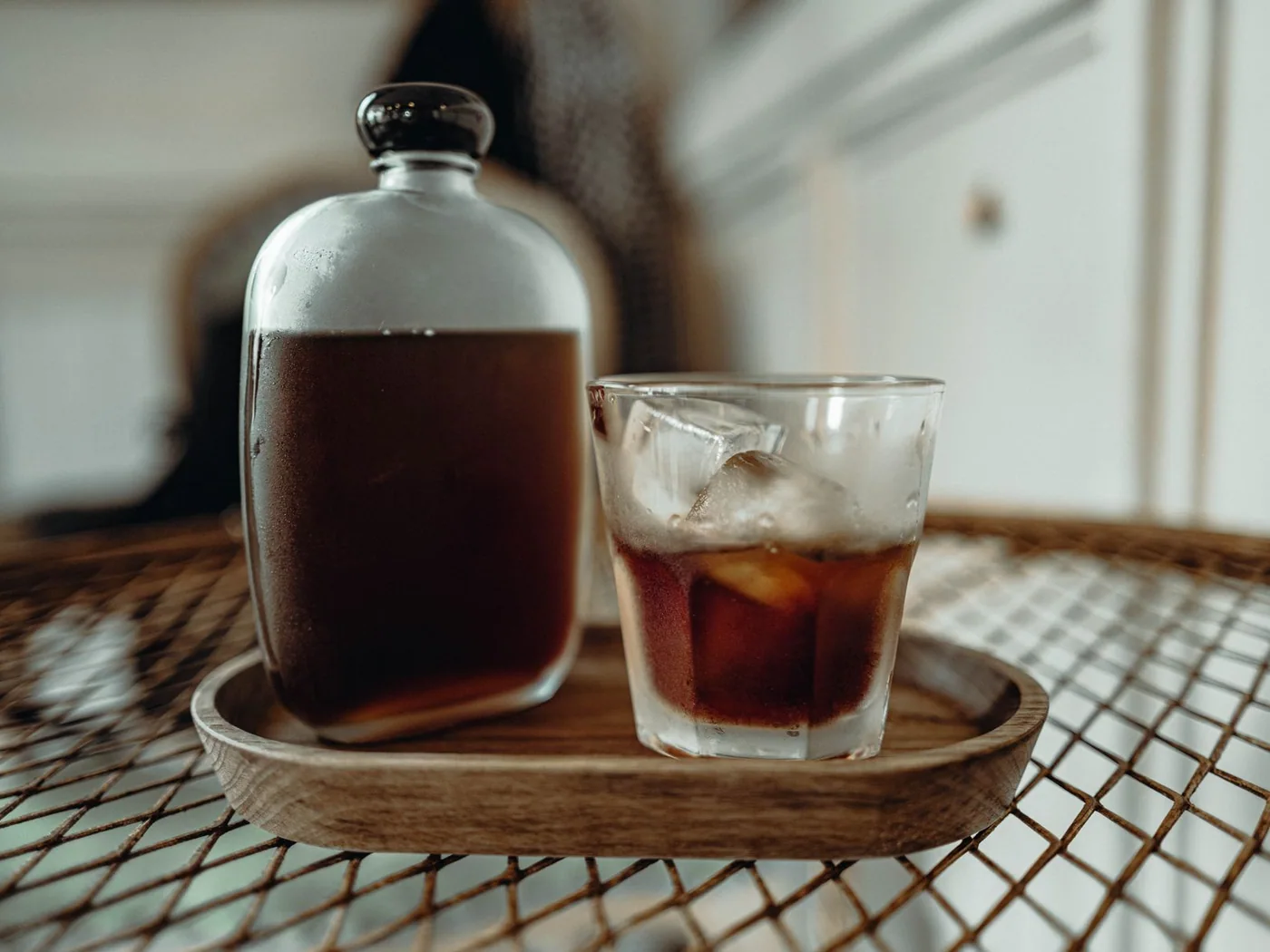
Both are served cold, but they taste very different. How you brew them affects body, acidity and preparation time.
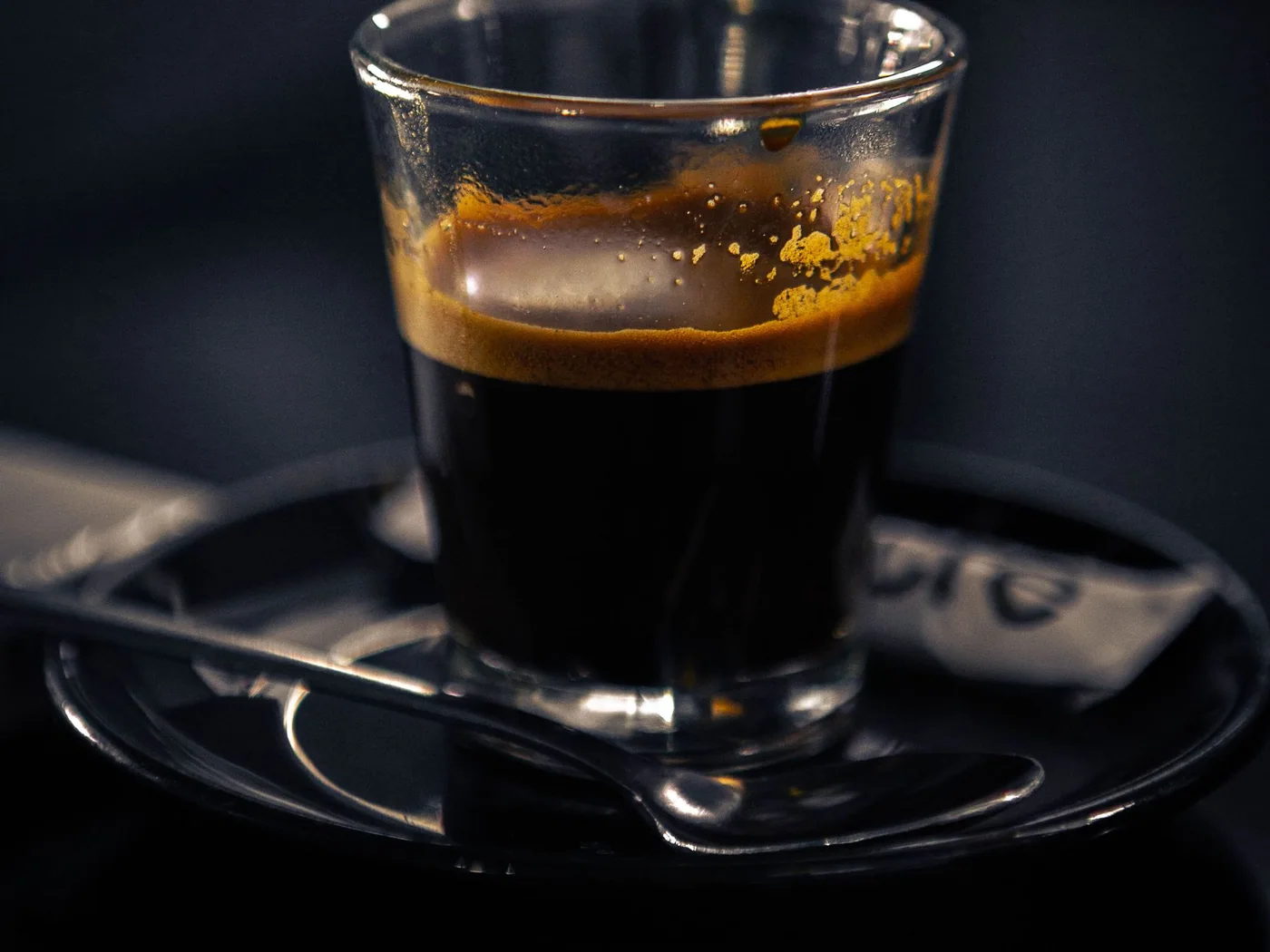
If you want strong coffee without a burnt aftertaste, start with a well-balanced blend.
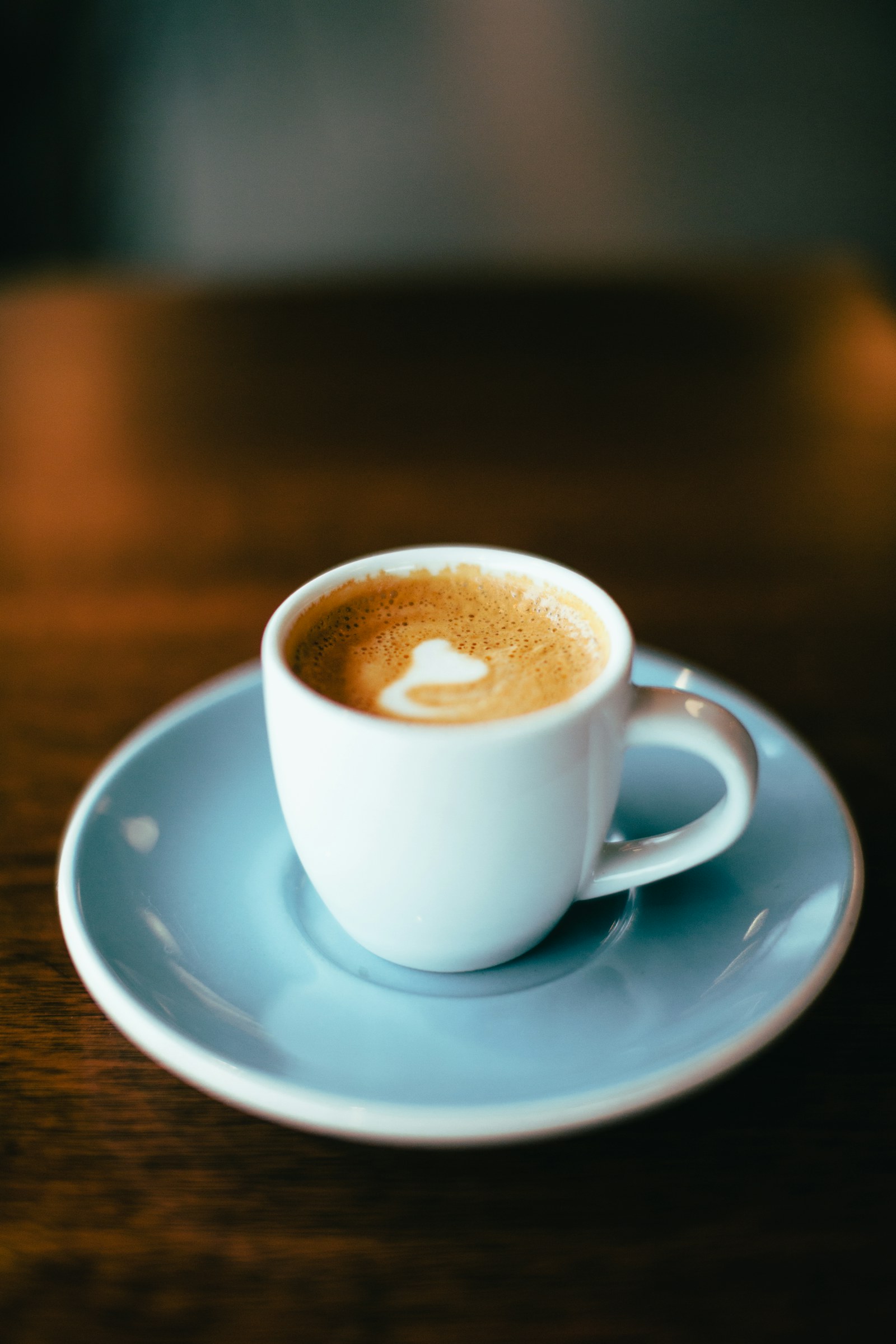
Some bitterness is part of espresso. If it takes over, try adjusting the coffee, extraction or water for a smoother cup.
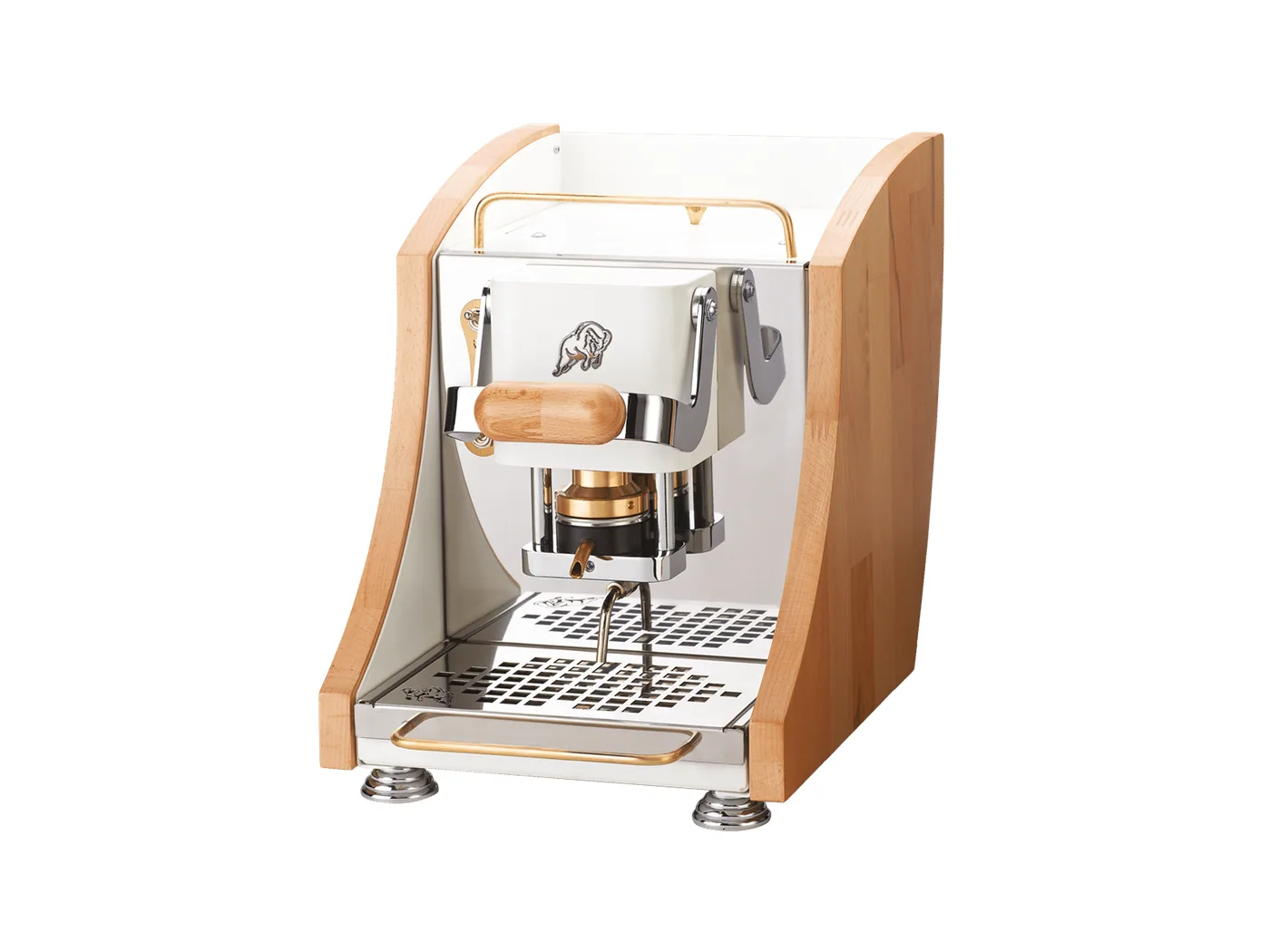
Coffee in holiday lets and guest areas needs to be easy to make, tidy and reliable. E.S.E. pods are well suited to that.