The world of coffee growing: a journey through coffee regions
The growing region is a useful first clue about a coffee. Compare the variety, processing method and roast as well, since coffees from the same country can taste very different in the cup.
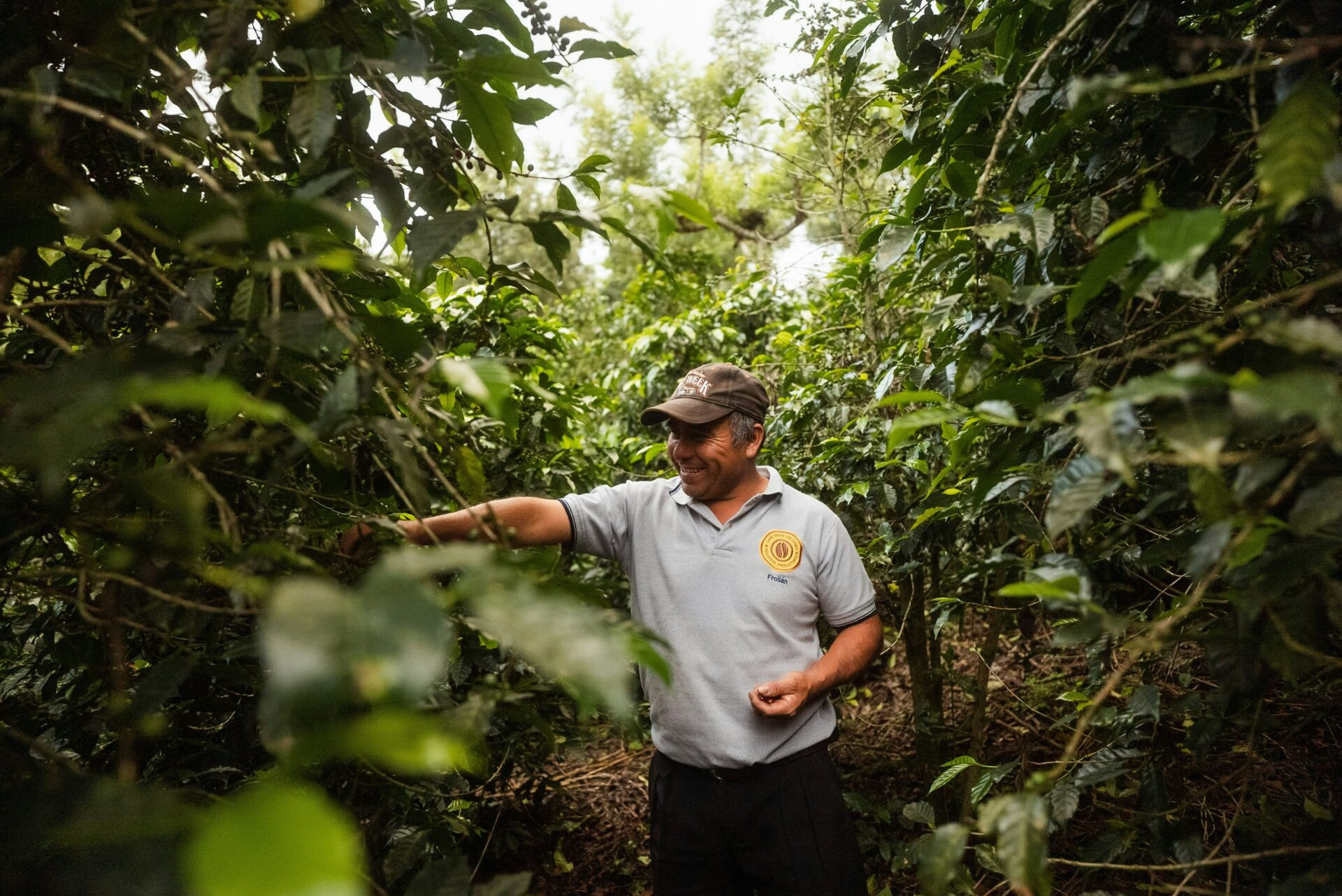
Coffee is one of the world's most popular drinks and plays a significant role in many cultures. Before reaching our cups, however, it goes through a complex growing and harvesting cycle in different regions around the world. Let us explore the fascinating world of coffee growing and discover the diversity of coffee regions.
1. South America: the giant of coffee production
South America is one of the world's largest coffee producers and is known for its high-quality Arabica coffee beans. Countries such as Brazil, Colombia and Peru dominate coffee production in the region. High altitudes and the tropical climate offer ideal conditions for growing coffee, while the different microclimates give the coffee beans their characteristic flavours.
The Brazilian coffee industry alone is a giant and makes a major contribution to global supply. Brazil is the world's largest coffee producer, responsible for around a third of worldwide coffee production. Brazil's landscape stretches across vast coffee plantations, ranging from small family businesses to large commercial farms. Brazilian coffees range from mild and balanced to full-bodied and chocolatey, depending on growing region and processing method.
In Colombia, another heavyweight in coffee production, coffee growing is more than an economic engine; it is an integral part of Colombian culture and identity. Most Colombian coffee farmers work on small family farms, using traditional growing methods to produce high-quality Arabica coffee beans. Colombian coffee is known for its balanced flavour profile with notes of chocolate, nuts and pleasant acidity.
2. Africa: the birthplace of coffee
In East Africa, coffee is grown in countries including Ethiopia, Kenya and Tanzania. World Coffee Research identifies Ethiopia as the home of Coffea arabica and traces the later spread of arabica varieties into Kenya and Tanzania.
Ethiopia is home to considerable genetic diversity in arabica coffee. The coffee ceremony is also an expression of hospitality and community.
Kenya is known for its high-quality Arabica coffee, grown in fertile highland soils. Kenyan coffee is distinguished by lively acidity and complex aromas of berries, citrus fruits and spices. Coffee farmers in Kenya are known for careful processing methods that help preserve the quality and unique taste of their coffee.
3. Asia: tradition and innovation in coffee growing
Asia is known for its unique approach to coffee growing, combining traditional growing methods with modern technology. Countries such as Indonesia, Vietnam and India are major coffee producers in the region. Indonesia is famous for its spicy, earthy Sumatra coffee, while Vietnam is known for strong Robusta coffee, often used in blends.
Indonesia is an island nation with a rich diversity of coffees, including the well-known “Java” and “Bali”. Indonesian coffees are distinguished by their full body and low acidity, making them popular with lovers of strong coffee. Most Indonesian coffees are processed using the traditional wet method, which gives the coffee beans their characteristic taste.
Vietnam is the world's second-largest coffee producer and is known for Robusta coffee grown in the fertile soils of the central highlands. Robusta coffee is known for its strong taste and high caffeine content and is often used to make espresso and coffee blends. Vietnamese coffee culture is shaped by the traditional preparation of “Ca Phe” – strong coffee served with sweetened condensed milk.
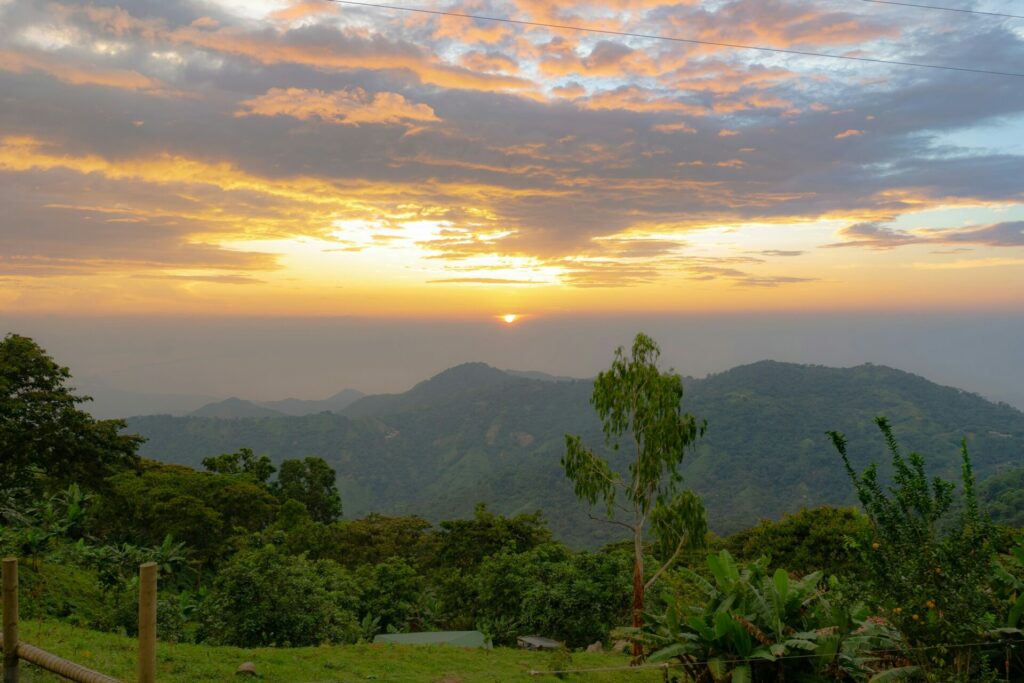
4. Central America: small countries, big flavour
Central America may be small, but it plays a significant role in the coffee world. Countries such as Guatemala, Costa Rica and Honduras are known for high-quality Arabica coffee beans, often praised for balanced acidity, sweetness and richness. Volcanic soils and a temperate climate help this region produce some of the world's most sought-after coffees.
Guatemala is famous for its “Antigua” coffee, grown on the fertile slopes of the Antigua and Fuego volcanoes. Guatemalan coffee has a complex aroma profile with notes of chocolate, caramel and citrus fruits. Coffee production in Guatemala is dominated by small farming cooperatives committed to sustainable growing methods and fair trade.
Costa Rica is a pioneer in sustainable coffee production and considered one of the world's most environmentally friendly countries. Costa Rican coffee is grown on small family farms and is distinguished by bright acidity and complex sweetness. The Tarrazú coffee region is particularly known for its high-quality coffee, grown in the fertile soils of the central mountain range.
5. The challenges of coffee growing
Despite its popularity and economic value, coffee growing faces numerous challenges. Climate change, pest infestations and social inequalities are just some of the problems coffee farmers face. Sustainable growing methods and fair trading practices are crucial to securing the future of coffee growing and ensuring coffee farmers worldwide are paid fairly.
Climate change is one of the greatest threats to coffee growing, as temperatures and rainfall patterns change in many growing areas. Extreme weather events such as droughts and heavy rain can affect yields and coffee quality. Coffee farmers are forced to adapt to these new conditions by growing resistant coffee varieties and introducing sustainable growing methods.
Social inequalities, particularly around working conditions and pay, are another problem in coffee growing. Many coffee farmers and workers live in poverty and lack access to adequate healthcare or education. Fair Trade certifications and direct trading practices are important tools for ensuring coffee farmers receive a fair price for their harvest and decent working conditions.
6. The journey from tree to cup
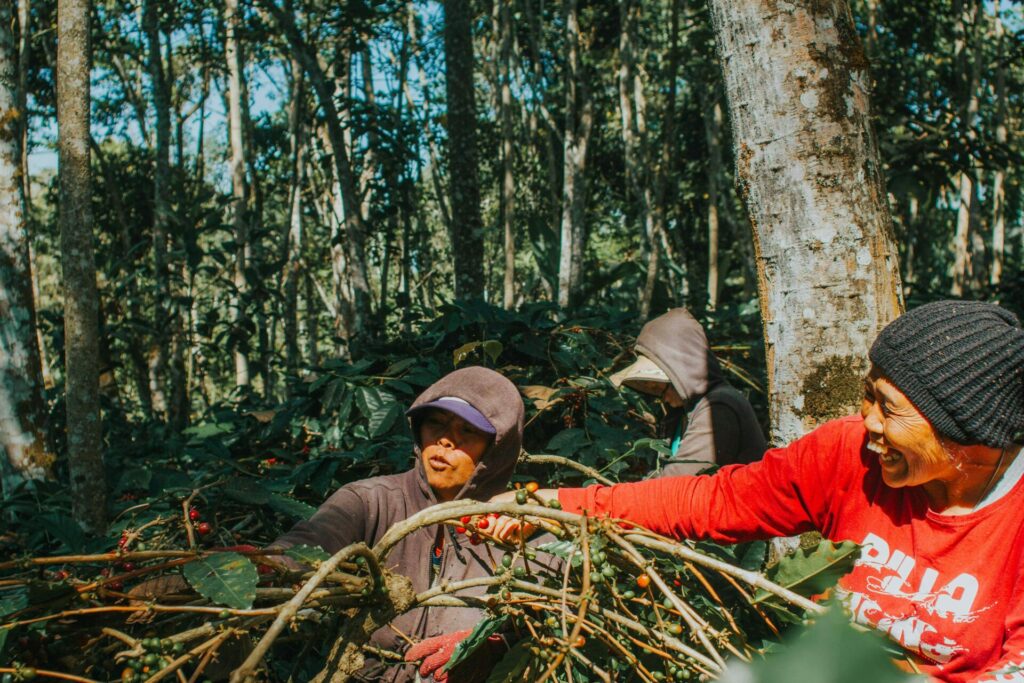
From growing on coffee farms to the consumer's cup, coffee passes through a complex supply chain. After harvesting, the coffee cherries are processed using either the dry or wet method, before the coffee beans are dried and sorted. They are then roasted, ground and finally brewed to produce the aromatic drink we all love.
Roasting is a crucial step in the process, determining the coffee's final aromas and flavour notes. From light roasts that emphasise coffee's natural acidity and fruit notes to dark roasts that produce rich chocolate and roasted notes, a variety of roast profiles caters to different preferences.
The brewing method can also make a big difference to coffee's taste. From traditional filter coffee to modern espresso machines, there are countless ways to prepare and enjoy coffee. Each method has its own advantages and disadvantages and can influence taste differently.
Overall, coffee growing is a fascinating journey through different regions of the world, each with its own unique coffee culture and flavour profiles. By appreciating and supporting coffee's diversity, we can help to