The fascination of Arabica coffee: a journey through aromas and traditions

Coffee is much more than a drink. It is a universe of aromas, traditions and stories brought to life in every cup. Among the different coffee bean varieties, one particularly stands out: Arabica. Its delicate complexity and varied aromas have made it one of the world's most popular coffees. Let us explore the fascinating world of Arabica coffee.
The origins of Arabica
Arabica coffee, scientifically known as Coffea arabica, originates in Ethiopia's mountain regions. It was first discovered there in the 7th century and has been cultivated from generation to generation ever since. Today, Arabica is grown in different regions around the world, from the steep slopes of Central America to the fertile plantations of East Africa. These areas' unique climatic conditions shape Arabica coffee's characteristic aromas and qualities.

Aromas and flavour profile
What makes Arabica coffee so special? Its aromas. Arabica coffee beans offer a broad range of flavours, from fruity and floral to chocolatey and nutty. This is partly due to different growing conditions, but also to the complex chemical processes during roasting. The combination of acidity, sweetness and bitterness gives Arabica coffee a balanced, delicate flavour that many coffee lovers appreciate.
Growing and harvesting
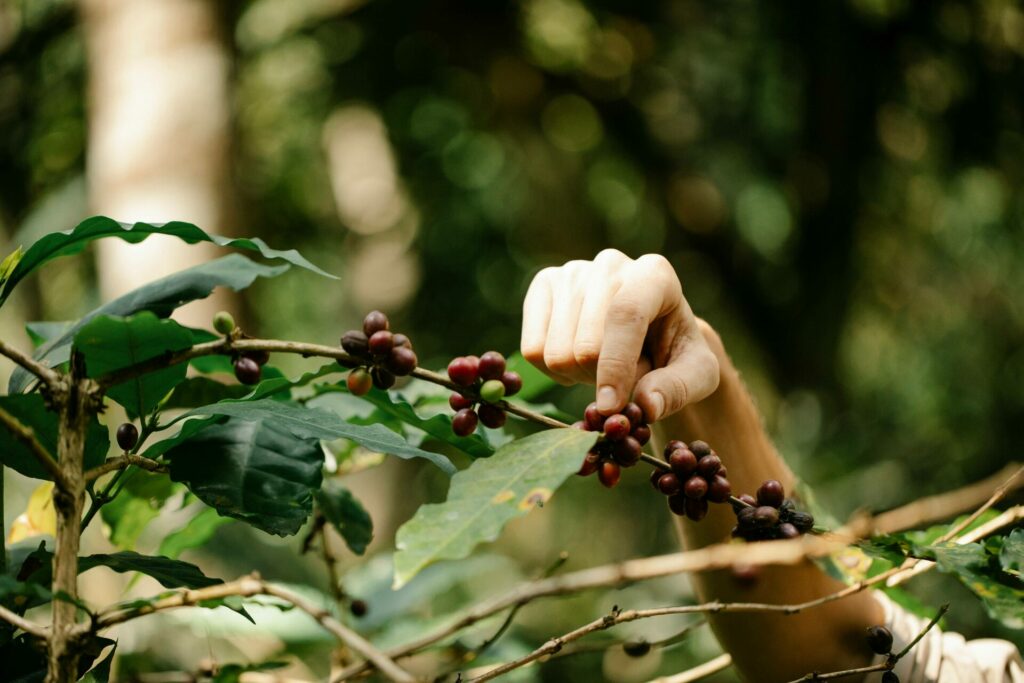
Growing Arabica coffee requires patience, care and attention to detail. The trees need specific climatic conditions, such as moderate temperatures, sufficient rainfall and altitudes between 600 and 2000 metres above sea level, to reach their full potential. Harvesting is often done by hand, selecting only the ripest cherries. This labour-intensive process contributes to the quality of the final product and reflects coffee farmers' commitment to excellence.
Cultural significance
Arabica coffee is a drink and an integral part of many cultures worldwide. In countries such as Ethiopia, Colombia and Costa Rica, coffee plays an important role in people's social lives. From traditional coffee ceremonies to local festivals and events, communities celebrate coffee's rich history and cultural significance.
Sustainability and Fair Trade
In recent years, the coffee world has focused increasingly on sustainability and fair trade. Arabica coffee has played a central role in this movement. Many coffee farmers are committed to environmentally friendly growing methods that promote biodiversity and minimise negative environmental effects. Fair Trade initiatives have also helped secure fairer prices for farmers and improve their living conditions.

Conclusion
Arabica coffee is far more than a drink. It takes us on a sensory journey to remote mountain regions and exotic aromas. Its rich diversity and complex structure make it a valuable commodity for coffee lovers worldwide. From Central America's sunlit slopes to Ethiopia's mist-covered mountain ranges, Arabica coffee tells stories of tradition, passion and enjoyment.