Paper or Metal Coffee Filter?
Paper holds back fine particles and some of the coffee’s oils. Metal mesh lets more through, depending on the size of its openings. That can give the coffee more body and leave a little sediment. Your choice depends on the texture you like and the brewing method you use.
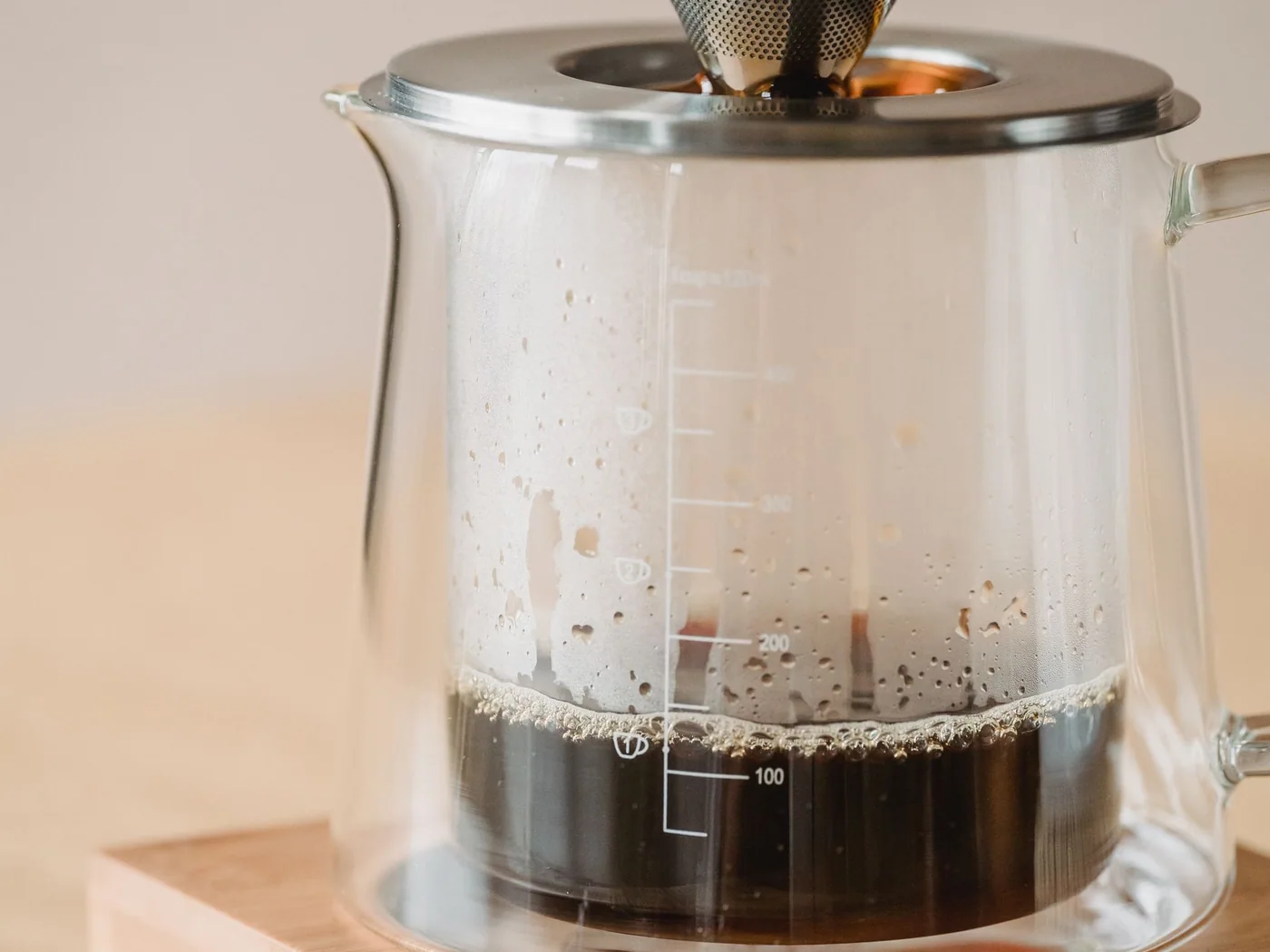
Paper holds back fine particles and some of the coffee’s oils. Metal mesh lets more through, depending on the size of its openings. That can give the coffee more body and leave a little sediment. Your choice depends on the texture you like and the brewing method you use.
Check what fits your brewer
Shape, size and fit all matter. A metal insert needs to sit properly in the holder without blocking the brewer’s outlet. For an automatic machine, stick to the type specified for your model. A press designed for both materials lets you compare them with the same brewer. ESPRO, for example, shows how you can fit a compatible paper inside the metal filter on its presses.
Taste two cups side by side
Weigh out equal doses of the same coffee. Use the same water, grind size and, as far as you can, brewing time. Try both cups at a similar temperature and pay attention to the mouthfeel and any sediment left at the bottom. If the metal filter leaves more fine particles than you like, try a slightly coarser grind on a separate brew. Make the first comparison before you adjust the grinder.
Think about the cleanup
Paper lets you lift the filter and grounds out together. With a metal filter, tap out the grounds and rinse the mesh after each use. Take the filter apart or wash it only as directed by the manufacturer. Before choosing, check whether you can easily buy paper filters that fit your brewer or whether the reusable filter is simple enough for you to clean every day.
Manufacturer’s instructions
Related reading – How to choose ground coffee for your brewer