How to blind taste two coffees side by side at home
For a simple blind tasting, use two coffees, matching cups and someone to label them without telling you which is which. Brew both with the same recipe. Describe each cup before you reveal the labels.
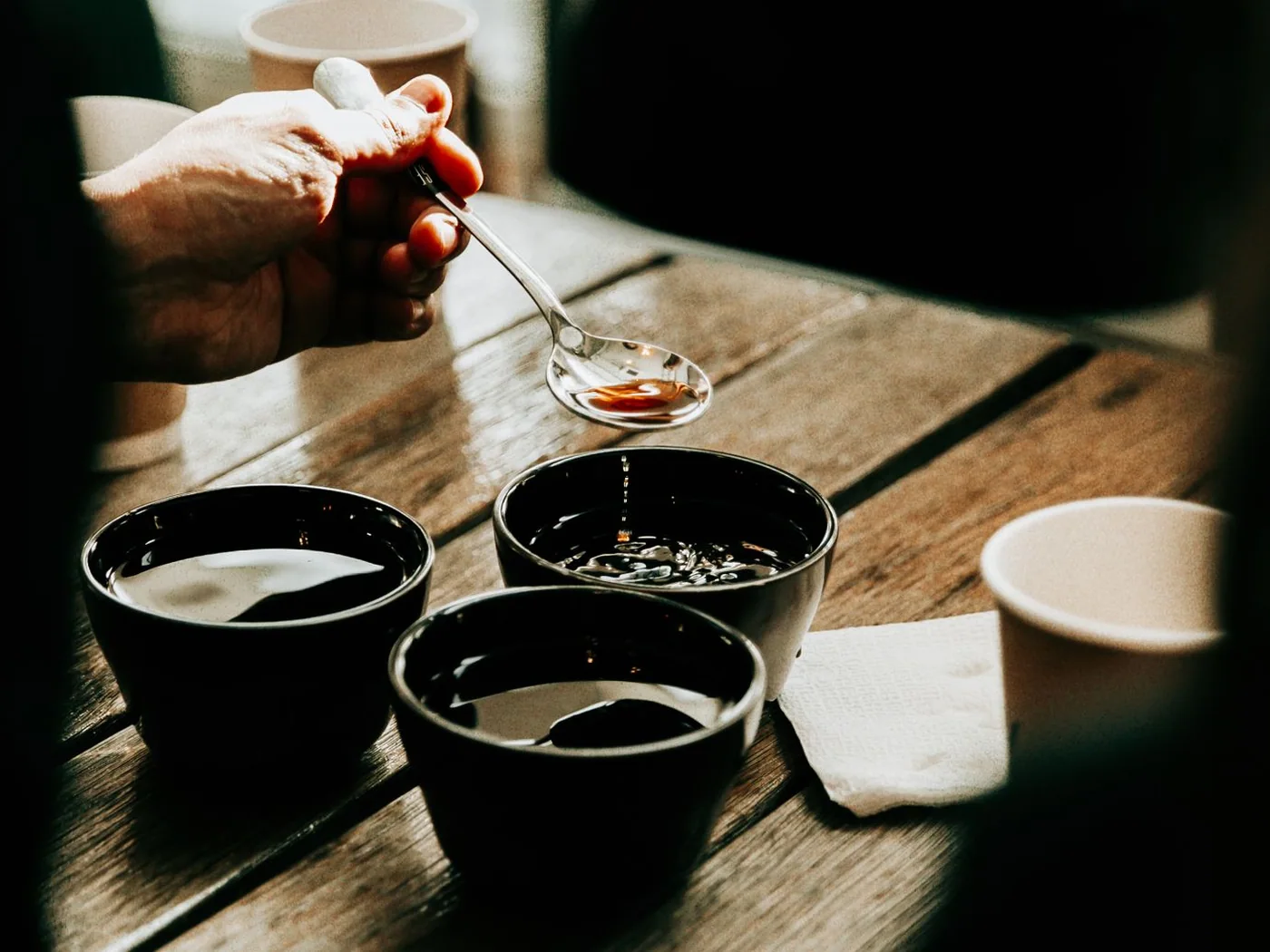
For a simple blind tasting, use two coffees, matching cups and someone to label them without telling you which is which. Brew both with the same recipe. Describe each cup before you reveal the labels.
Prepare two coffees under the same conditions
Choose coffees that suit the same brewing method. For E.S.E., use compatible pods in the same machine. For filter coffee, use the same dose, water and technique. To compare the coffees, keep the other settings as steady as you can. Brew the cups close together and serve in matching vessels.
Hide the identities
Ask someone to mark the cups A and B underneath or on slips beside them and to keep the key secret. Put out a glass of water. Smell both coffees first, then take small sips at a comfortable temperature. Taste again once both have cooled a little and switch which one you try first.
Record what you taste and what you like
Write down what you notice, such as “A reminds me of cocoa, B is fruitier and lingers longer”. In a separate note, say which cup you would choose for everyday drinking and why. The Specialty Coffee Association’s Coffee Value Assessment also separates sensory description from personal preference. This tasting borrows that distinction for a home setting.
Use what you learn
Reveal the labels at the end. If you are choosing a coffee for cappuccino, repeat the tasting with the same amount of milk in both cups. If the difference becomes hard to tell, a pack size that suits you or the ease of buying it again may carry more weight. Save your notes for another comparison.
Source
Specialty Coffee Association – Descriptive coffee assessment
Related reading – Comparing Italian roasts