
Adjusting your bean-to-cup machine: improve beans, grind size and taste
Many bean-to-cup machines can make noticeably better espresso when coffee beans, grind size and water quantity work together.
Many bean-to-cup machines can make noticeably better espresso when coffee beans, grind size and water quantity work together.

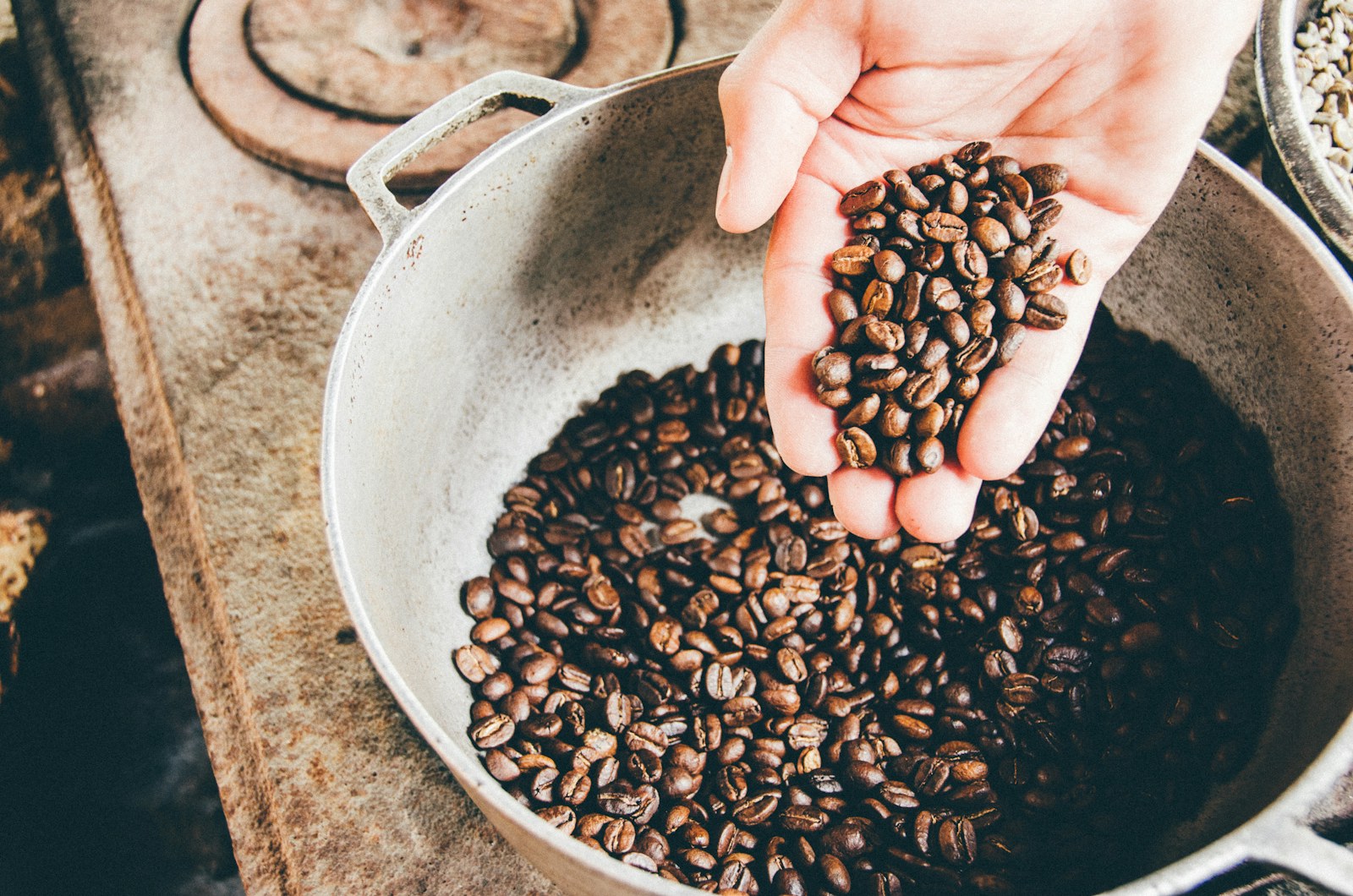
Air, light, heat and moisture cause flavour loss. Correct storage makes a big difference in daily use.

Cappuccino needs espresso with enough body. Coffees that are too mild quickly disappear in the milk.
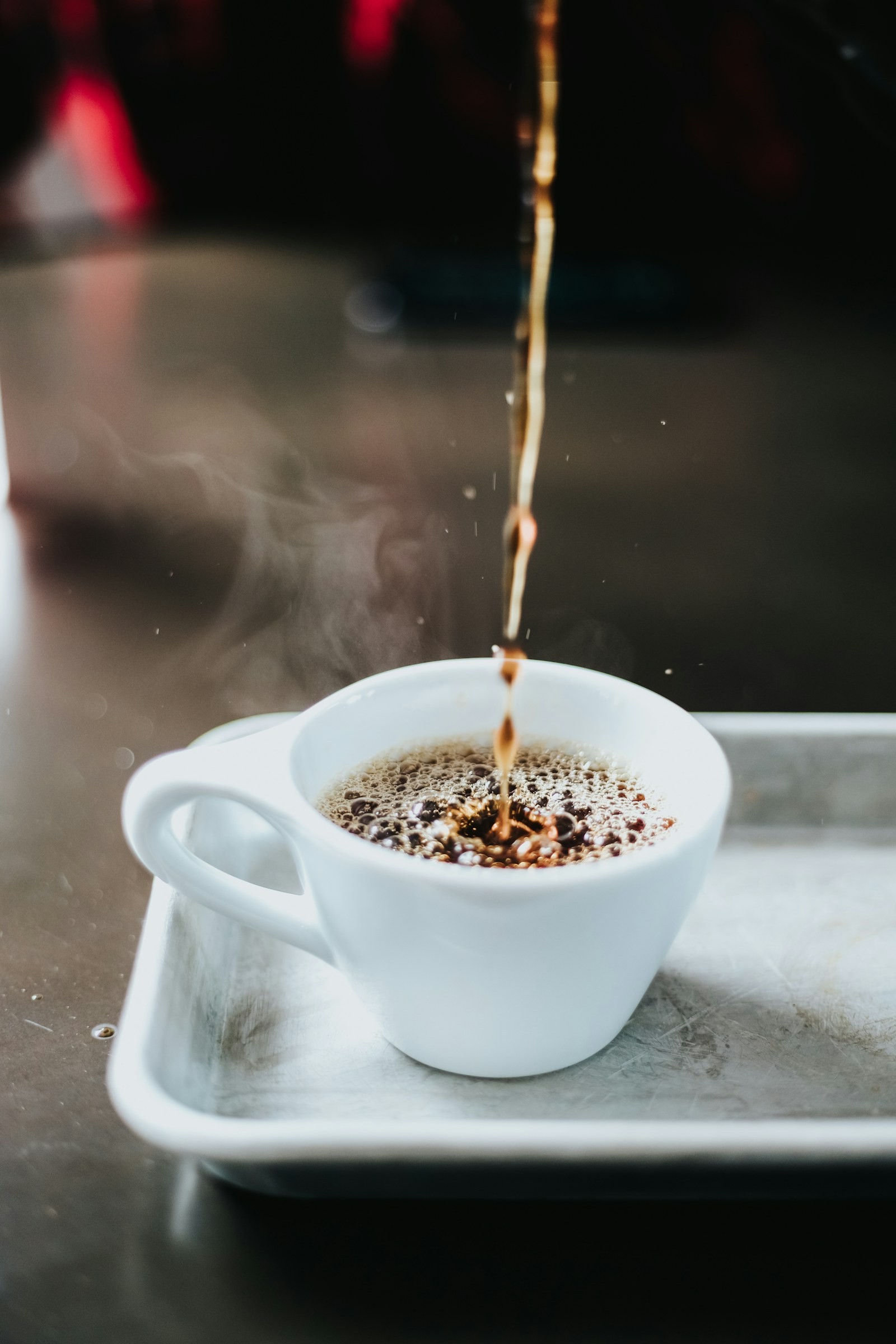
Crema looks good, but also indicates freshness, roast and preparation. Still, it should not be judged in isolation.
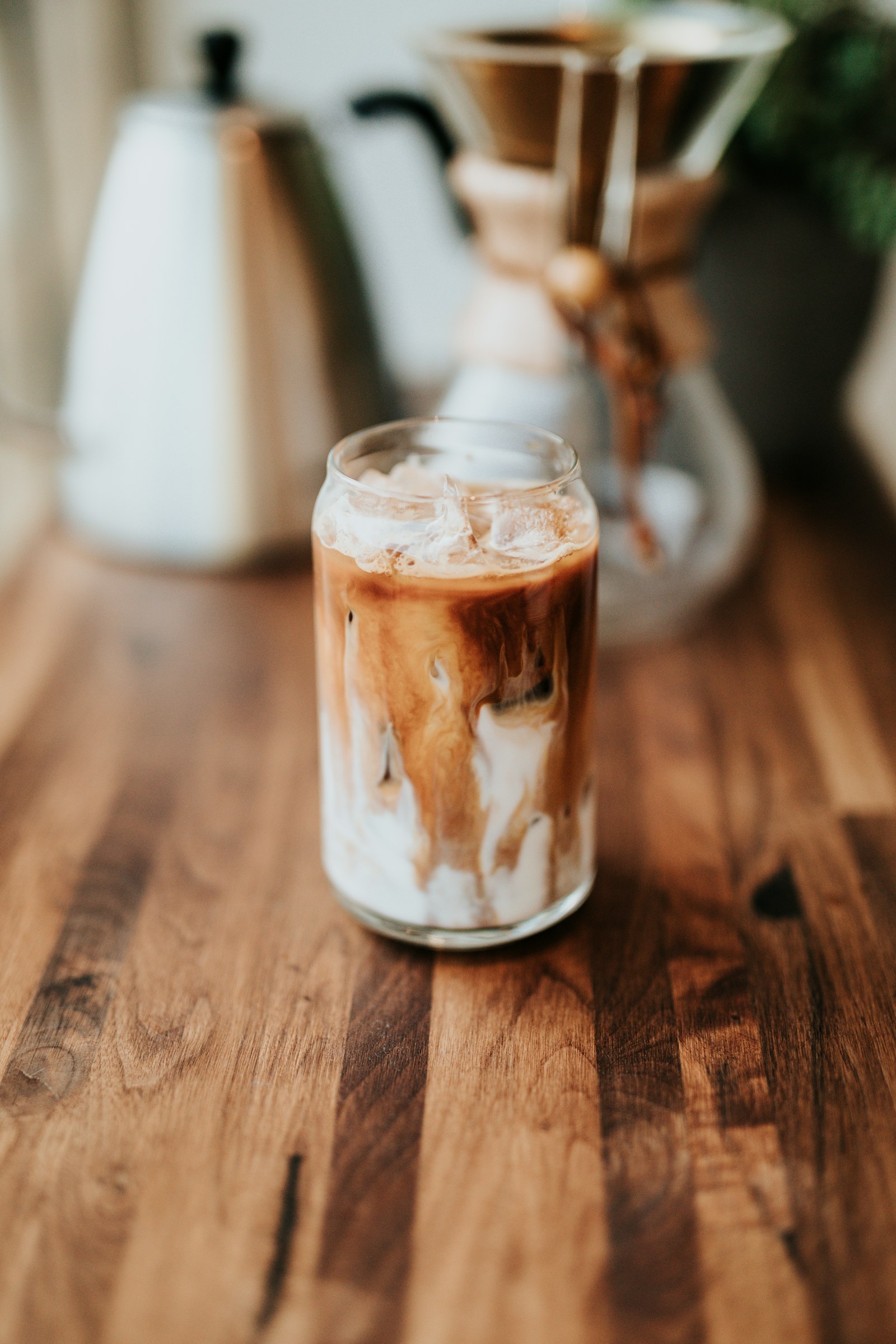
Ristretto, espresso and lungo often use the same amount of coffee but different amounts of water. This changes body, bitterness and aroma.
Limescale is one of the most common reasons for poor espresso. Regular care protects taste, crema and the machine.
Decaffeinated coffee does not have to be thin or boring. Roast, freshness and suitable preparation are crucial.

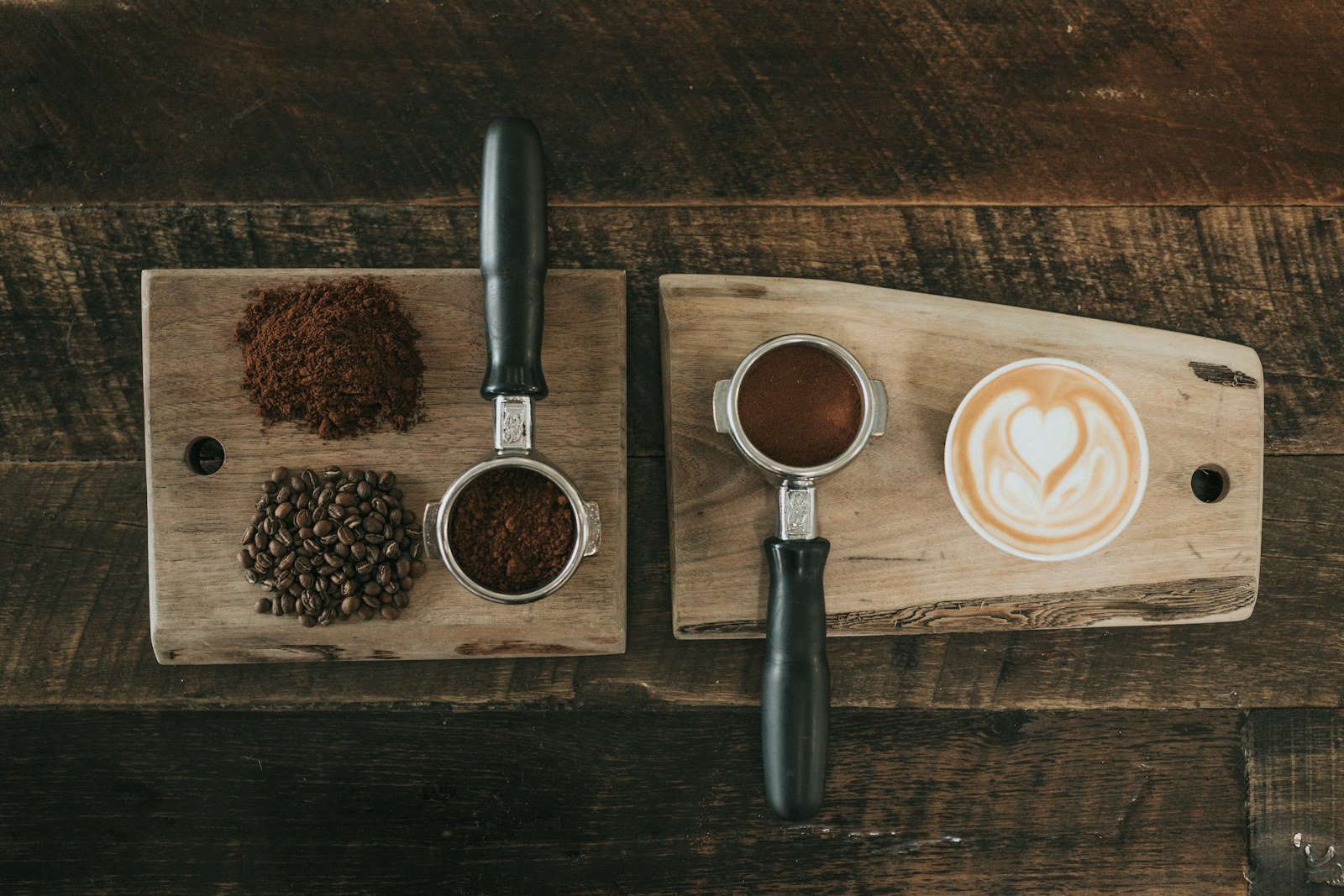
Ground coffee is practical, but the grind must suit the brewing method. Otherwise coffee can quickly become bitter, sour or flat.

Capsules and E.S.E. pods are convenient but work differently. The differences involve system, choice, waste and the espresso experience.

Italian espresso rarely relies on a single coffee bean. What matters is the blend of Arabica, Robusta, roast and preparation.

Faber offers different pod machines for different daily routines. This comparison helps you choose between compactness, robustness and striking design.

E.S.E. pods are simple, but details still matter. Water, temperature, machine and pod selection can bring out much more flavour.