Caffè Ottobono – a family story

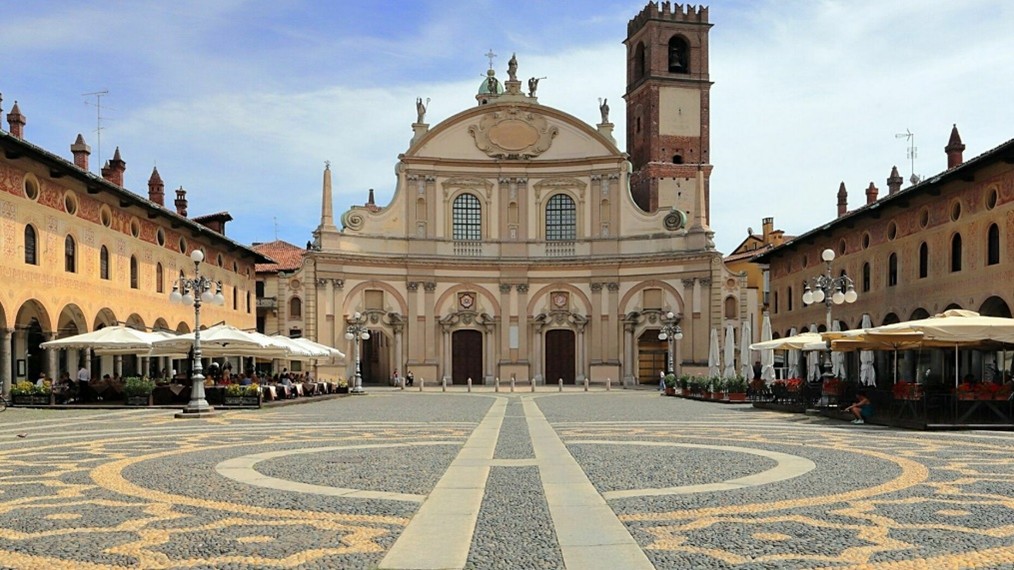
In 1950, family patriarch Alfredo Bonomi founded the Ottobono coffee roastery in Vigevano, just a few kilometres from Milan. Today, his third-generation heirs still run it with the same principles and values. Caffè Ottobono is the premium brand for discerning consumers
A multicultural coffee
Ottobono coffee comes from all over the world (Brazil, Indonesia, Tanzania, Africa, India): a composition of different qualities that create a harmonious bouquet. To maintain the taste from year to year, the countries of origin that have benefited from the best climatic conditions are selected.
Coffee treated with care at every stage of processing
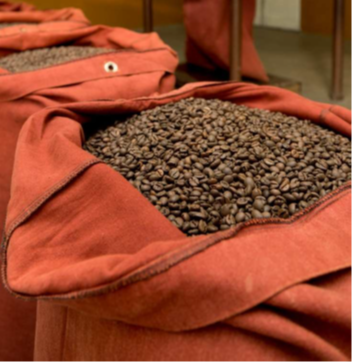
Ottobono uses only coffee in sacks, so the product is never stored or handled loose, protecting it from external influences. It is then kept in dry, ventilated storage rooms until roasting begins. This care distinguishes it from industrially produced coffee transported in containers exposed to the elements and external pollutants.
Slow roasting
Slowly roasting each coffee variety individually causes the acid in green coffee to sublime. At this point, however, the coffee becomes sensitive and can burn, producing acrylamide – a highly toxic and carcinogenic substance. It is therefore extremely important to get the timing exactly right for each coffee variety. The difference between perfectly roasted and burnt coffee is only around 7 seconds.
The coffee beans' resting phase
After roasting, the coffee bean is stressed and needs to rest. It is packed in consistently clean sacks and stored in a special ventilated room, in darkness and at a controlled temperature. This is necessary to give the coffee bean time to “develop its valuable oil”, which contains many cancer-inhibiting substances. Depending on the origin, the resting phase can last between 3 and 5 weeks. Only then can the coffee be packaged in a way that preserves its sensory properties.
Ottobono's mission
Ottobono's mission is to offer a product of the highest quality while respecting the environment (through CO₂ offsetting with solar installations), green coffee producers, its own employees and, above all, consumers.